
Deciding when to move a loved one living with dementia into a Memory Care community can be one of the hardest decisions a family faces. You want to protect their independence and sense of self while ensuring they stay safe and supported. Yet as dementia progresses, the dangers of living alone can increase with concerns such as missed medications to confusion and isolation.
If you have started noticing worrisome changes in your loved one’s daily life, these six signs may help you decide when it is time to consider Memory Care and how professional support can make a meaningful difference.
1. Daily Routines are Becoming Difficult to Maintain
Cooking, dressing, or remembering appointments may start to feel overwhelming. Difficulty managing these daily activities often signals that more help is needed for your senior loved one. In a Memory Care setting, residents receive gentle, individualized support that helps them maintain dignity, comfort, and confidence.
2. Safety Concerns are Increasing
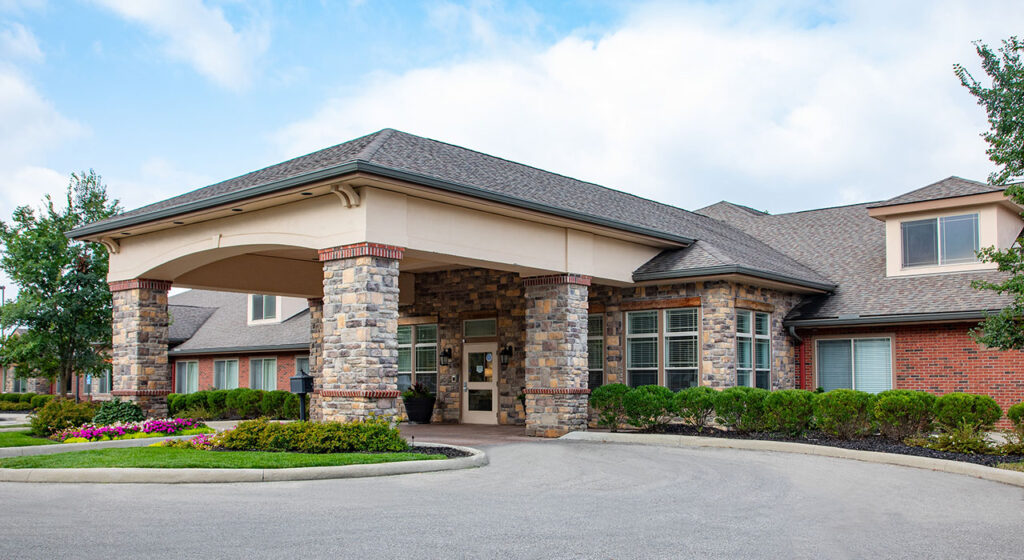
One of the greatest risks of living alone with dementia is safety. Wandering, forgetting to turn off the stove, or skipping medication can quickly lead to harm. At Dublin Glenn, our premier Memory Care community, residents live in a secure environment thoughtfully designed to prevent accidents while encouraging freedom of movement and a sense of normalcy.
3. Emotional or Behavioral Changes are Appearing
As dementia advances, personality shifts such as agitation, confusion, or withdrawal can become more frequent. An intentionally designed Memory Care community provides predictability, routine, and compassionate care, helping reduce stress and promote emotional balance.
4. Physical Health is Declining
Missed meals, weight loss, or neglecting hygiene can occur when memory loss affects daily habits. In Memory Care, residents enjoy nutritious meals, hydration support, and opportunities for safe physical activity, all tailored to their abilities and preferences.
5. Caregiver Stress is Growing
Caring for someone with dementia at home can be both rewarding and exhausting. When family members begin facing caregiver burnout and feeling overwhelmed, professional caregivers can offer essential relief. At Dublin Glenn, our specially trained team provides expert, around-the-clock care so families can focus on quality time and meaningful connection.
6. Home May No Longer be the Safest or Most Supportive Place
The question of when to move to Memory Care for a senior loved one can be complex, but when aging in place is no longer safe, it may be time to explore options. Memory Care communities like Dublin Glenn’s secure, compassionate environment offer specialized programs, purposeful engagement, and personalized care plans that enhance both safety and quality of life.
Explore Memory Care Options with Dublin Glenn
Making this transition is never easy, but it can bring comfort, peace, and renewed connection. Choosing a Memory Care community is not about giving up independence. It is about gaining the right support for a better quality of life for your loved one who needs dementia care.
Download a Brochure to learn more about Dublin Glenn’s compassionate approach to Memory Care and how we help families navigate this important decision with understanding and care.