
Choosing Memory Care for someone you love is an important and deeply personal decision. While it is natural to compare features such as floor plans, dining options, outdoor spaces, and activity calendars, finding the right community often comes down to something more meaningful: how well the environment supports your loved one as an individual.
Every person living with Alzheimer’s disease or another form of dementia has unique preferences, strengths, routines, and needs. The right Memory Care community should recognize that individuality while providing the specialized support, security, engagement, and compassion that can enhance everyday quality of life.
By understanding what Memory Care offers and knowing what to look for as you explore communities, you can approach the decision with greater confidence.
Executive Summary
- Memory Care provides specialized support for individuals living with Alzheimer’s disease and other forms of dementia.
- Personalized care, meaningful engagement, a thoughtfully designed environment, and a specially trained team are important considerations when comparing communities.
- Observing how team members interact with residents can offer valuable insight into a community’s culture and approach to care.
- Families should ask how care plans are personalized and adjusted as a resident’s needs change.
- The right Memory Care community should support safety and well-being while helping each resident maintain connection, purpose, dignity, and comfort.
Table of Contents
What to Look for in a Memory Care Community
Look for Meaningful Engagement
Ask About Team Training and Support
Trust the Experience as Much as the Checklist
Finding Confidence in Your Decision
Understanding Memory Care
Memory Care is specialized care designed for individuals living with Alzheimer’s disease and other forms of dementia. It combines personalized assistance with an environment, routines, and programming created around the needs of people experiencing memory loss.
While every Memory Care community is different, specialized support may include:
- Assistance with activities of daily living
- Medication management
- Structured daily routines
- Personalized enrichment and engagement
- Specially trained team members
- Secure indoor and outdoor environments
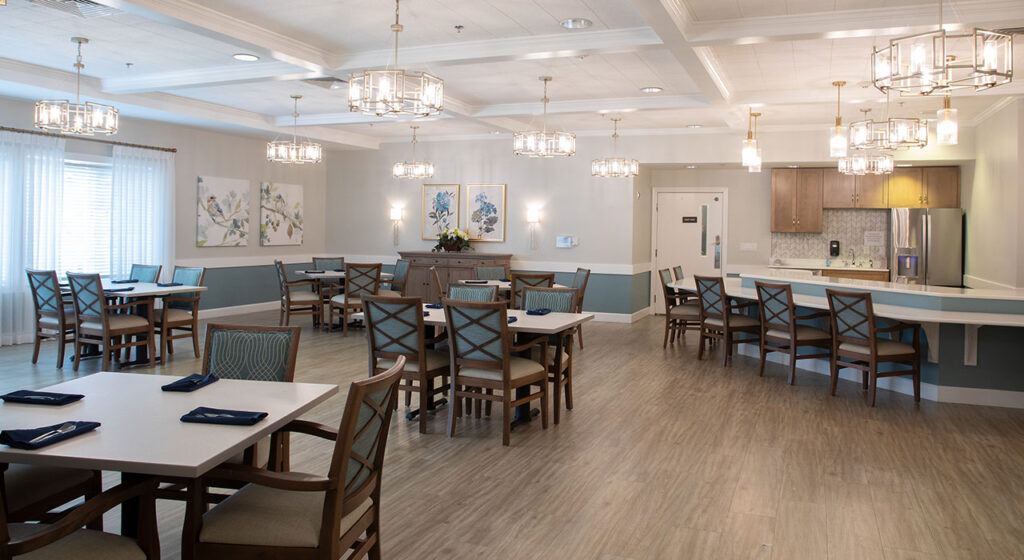
- Dining support designed around residents’ abilities and preferences
- Opportunities for social connection
- Communication and support for families
The best Memory Care approaches recognize that dementia affects each person differently. Care should be guided not only by what assistance a resident needs, but also by who that person is: their history, interests, routines, preferences, strengths, and abilities.
What to Look for in a Memory Care Community
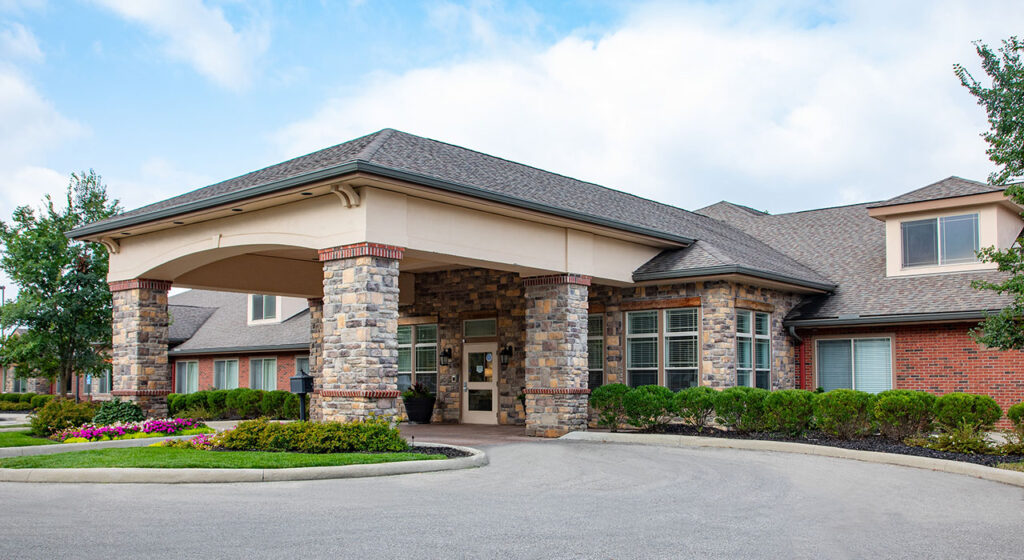
A beautiful building can make a strong first impression, but the quality of everyday interactions often tells you much more about what life in a community is really like.
During your visit, pay attention to the atmosphere around you. Consider questions such as:
- Do team members greet residents warmly and by name?
- Are conversations patient, respectful, and unhurried?
- Do residents appear comfortable and engaged?
- Are team members attentive to individual preferences and cues?
- Does the environment feel calm, welcoming, and easy to navigate?
- Are families encouraged to ask questions and remain involved?
- Do activities appear purposeful and appropriate for different abilities?
These details can help you understand whether a community truly places residents at the center of its approach.
Personalized Care Matters
No two people experience dementia in exactly the same way. A strong Memory Care program should reflect that.
Ask how the community learns about each resident before and after move-in. Team members should take time to understand important details such as:
- Daily routines
- Personal history
- Favorite hobbies and interests
- Dining preferences
- Communication style
- Abilities and support needs
- Sources of comfort
- Meaningful relationships
- Personal preferences and traditions
This information can help the care team create experiences that feel familiar and meaningful.
Personalization also matters as needs change. Ask how frequently care plans are reviewed, how families participate in those conversations, and how the team responds when a resident begins to need additional support.
The goal should be to meet residents where they are while continuing to recognize and celebrate who they are.
Look for Meaningful Engagement
Activities in Memory Care should be about more than simply filling the calendar.
Meaningful engagement considers each resident’s interests, abilities, and personal history. An activity that brings joy to one person may not be meaningful to another.
Look for a community that offers a variety of opportunities for residents to participate in ways that feel natural to them. Depending on the individual, meaningful moments might include:
- Listening to favorite music
- Gardening
- Baking or helping prepare a familiar recipe
- Creating art
- Looking through photographs
- Enjoying time outdoors
- Gentle movement or wellness activities
- Socializing in small groups
- Participating in familiar household routines
- Spending one-on-one time with a team member
Even simple everyday interactions can create opportunities for connection and purpose.
Ask how the community adapts activities for residents with different interests and cognitive abilities. Strong Memory Care programming should focus on the individual rather than expecting every resident to participate in the same way.
Consider the Environment
The physical environment can make a meaningful difference for someone living with memory loss.
As you tour, look beyond décor and consider whether the space has been designed to promote comfort, independence, and ease of navigation.
Helpful features may include:
- Clear and simple pathways
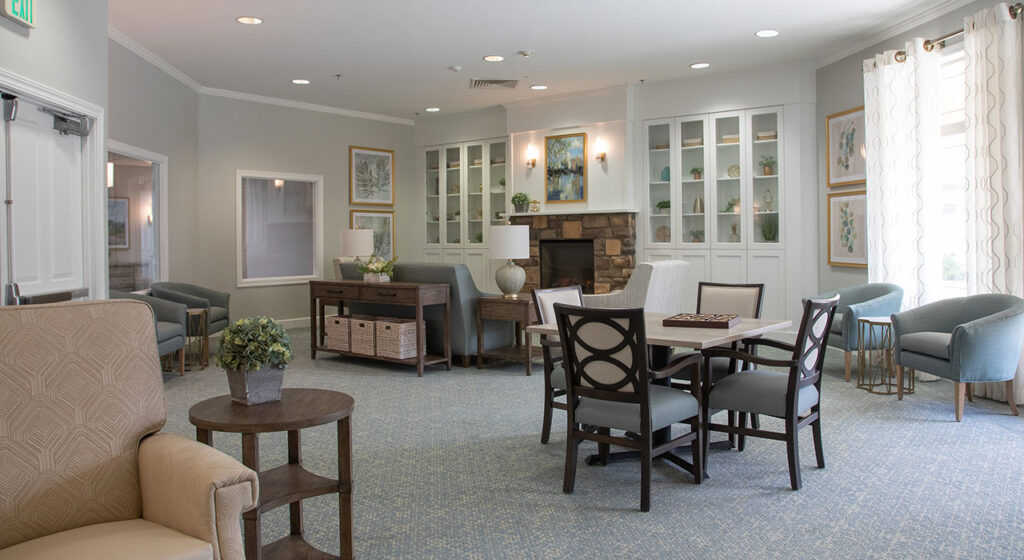
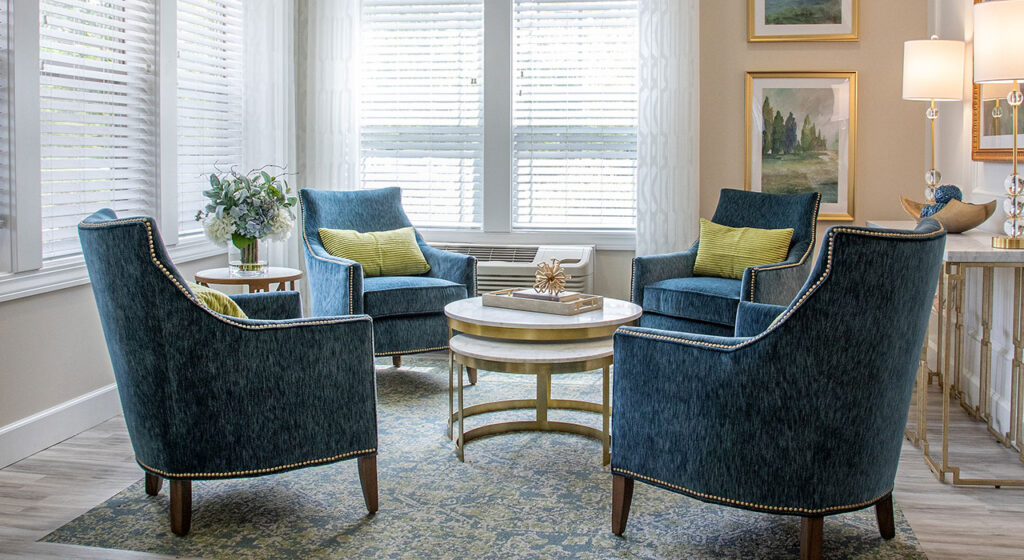
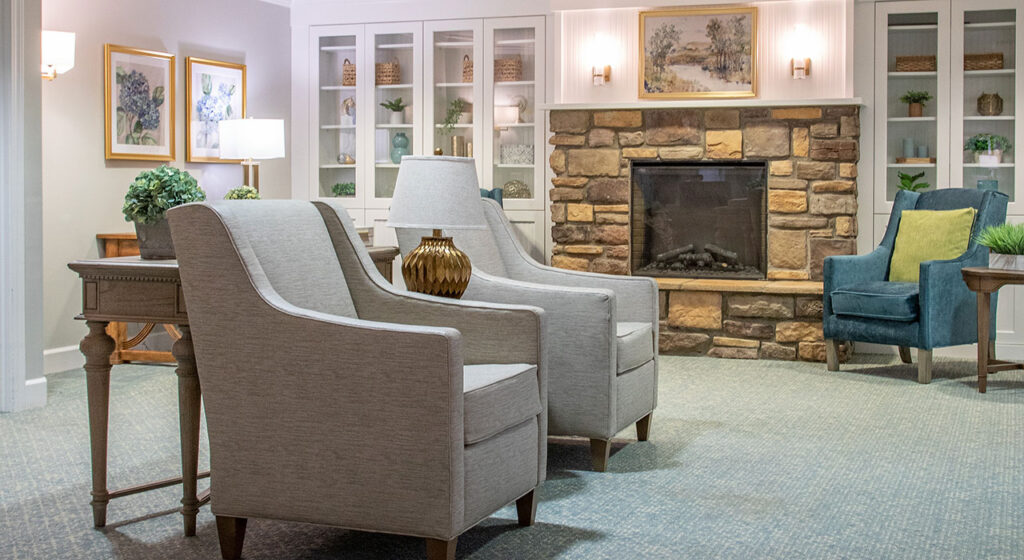
- Comfortable gathering spaces
- Natural light
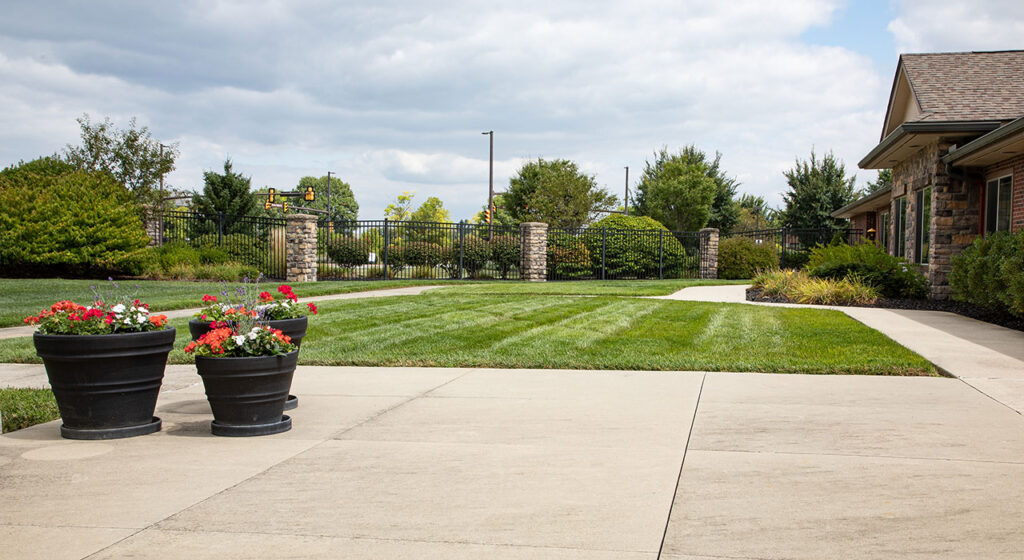
- Secure outdoor areas
- Familiar visual cues
- Calm surroundings
- Easily identifiable dining and activity spaces
- Opportunities to move safely throughout the community
A thoughtfully planned Memory Care environment can help reduce unnecessary confusion while giving residents opportunities to explore, socialize, relax, and participate in daily life.
Ask how safety is balanced with independence. A supportive environment should help residents move through their day with an appropriate level of freedom while providing the safeguards they need.
Ask About Team Training and Support
The people providing care have an enormous influence on a resident’s daily experience.
Ask what dementia-specific education team members receive and whether training continues after they are hired. You may also want to learn how the community supports consistent relationships between residents and caregivers.
Questions to consider include:
- What dementia-specific training does the care team receive?
- Is continuing education provided?
- How does the team learn each resident’s routines and preferences?
- Who is available if a resident’s needs change?
- How does the community communicate changes to families?
- How does the team respond when a resident is anxious, confused, or having difficulty communicating a need?
- What clinical or nursing support is available?
Knowledge is important, but so are compassion, patience, creativity, and respect. Pay attention to whether team members appear genuinely connected to the residents they support.
Think Beyond Today’s Needs
When choosing Memory Care, consider both your loved one’s current needs and how those needs may evolve.
Dementia is a journey, and support needs can change over time. Understanding how a community responds to those changes can help your family make a more informed decision.
Ask questions such as:
- How are care plans reviewed and updated?
- What happens when a resident needs additional assistance?
- What types of care can the community provide as dementia progresses?
- Are there circumstances that might require a resident to move?
- How are families included in care planning?
- How does the community support residents during changes in routine or ability?
- What resources are available to family members and caregivers?
Planning ahead is about understanding your options. Knowing how a community approaches evolving needs can provide valuable reassurance and help preserve familiar relationships and routines whenever possible.
Trust the Experience as Much as the Checklist
A checklist is useful when comparing Memory Care communities, but it cannot capture everything.
Spend time observing everyday life during your visit.
Notice whether residents and team members appear comfortable together. Listen to the tone of conversations. Look at how people respond when a resident needs assistance. Pay attention to whether leadership is visible and approachable.
You might also consider:
- Does the community feel welcoming rather than institutional?
- Are residents treated as individuals?
- Are questions answered thoughtfully and clearly?
- Do team members seem to know residents beyond their care needs?
- Are family members treated as valued partners?
- Can you picture your loved one feeling comfortable here?
The everyday culture of a Memory Care community can have a significant impact on quality of life.
Finding Confidence in Your Decision
Choosing Memory Care is not about finding a community that looks perfect on paper. It is about finding an environment where your loved one can receive personalized support while continuing to experience meaningful moments, relationships, comfort, and purpose.
Take your time. Ask questions. Visit more than once when possible. Pay attention to both the services offered and the way residents are treated.
Most importantly, look for a community that sees the person first, not simply the diagnosis.
When specialized support is paired with compassion, meaningful engagement, thoughtful surroundings, and an understanding of each resident’s individual journey, Memory Care can provide families with reassurance while helping residents experience each day with greater comfort, connection, and dignity.
If you’re interested in exploring Memory Care at Dublin Glenn, we invite you to come in for a tour to see how your loved one can fit in here.